


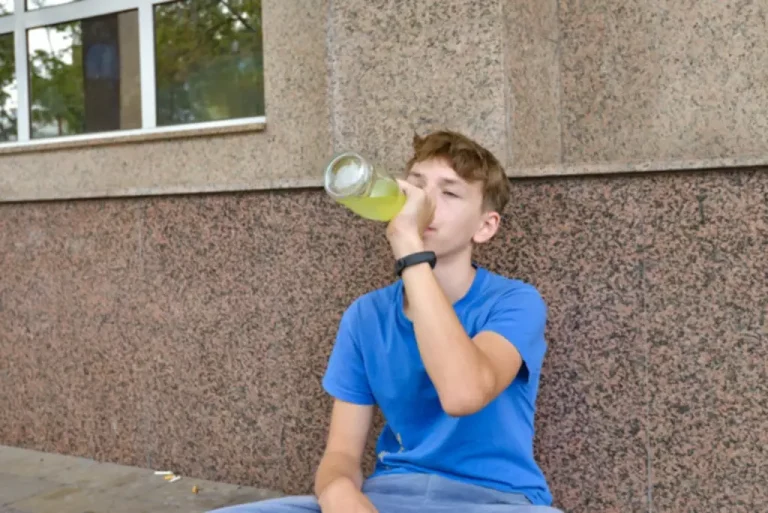
Techniques like deep breathing exercises or meditation can help diffuse feelings before they escalate into anger. The setting in which drinking occurs can also influence emotional responses. For example, loud music or heated discussions may contribute to heightened anxiety and frustration.
The Impact on Relationships Due to Alcohol-Induced Anger
We utilize evidence-proven methods such as CBT, DBT and EMDR therapy. Hotel California by the Sea is dedicated to helping clients reach their goals in sobriety and overcome their alcohol addiction. Furthermore, alcohol can make you focus too much on specific words or behaviors from other people. If you see someone cut in front of you in line for the bathroom at a bar or concert, you may react aggressively when you otherwise wouldn’t mind. When drinking, it becomes increasingly challenging to interpret information logically. When it comes to anger specifically, people may experience a phenomenon called “alcohol myopia” in addition to their already heightened emotions.
Contact Gateway Foundation Today to Learn More About Alcoholism and Anger
According to a review from 2017, alcohol is more likely to cause personality shifts related to negative emotions, but that doesn’t mean anger is the most common emotional experience while drinking. If you live with underlying anger challenges, for example, it may not be as noticeable when you’re sober because your frontal lobe allows you to manage your emotions and your behaviors. When you drink alcohol, those inhibitions are lifted, and if you’re feeling angry, you’re more likely to express it and do so in an exaggerated way. Alcohol can provoke different emotional responses for different people. If you have a natural tendency to be angry, drinking alcohol may cause you to become aggressive. “Trait anger” refers to a person’s general tendency to experience chronic anger over time.
Childish Behavior in Adults: Signs, Causes, and How to Overcome Emotional Immaturity
- When these underlying emotional issues remain unresolved, alcohol can act as a powerful disinhibitor.
- CBT helps individuals identify and change thought patterns and behaviors that contribute to aggressive behavior when drinking.
- Underlying emotional issues can lead to difficulties in regulating emotions effectively – something heavy drinkers notoriously struggle with.
By consistently becoming angry or belligerent when you drink, you put yourself and others at risk. Therefore, seeking a solution for alcohol-related aggression is essential for your future health and safety. While anger is an emotion you experience when you feel threatened, aggression is a hostile behavior that results in physical or psychological harm to yourself or others.
Can anger be a sign of alcohol addiction?
Additionally, drinking while angry can lead to long-term issues, such as alcohol abuse and addiction, as well as problems with relationships, employment, and finances. Interestingly, individual differences in alcohol metabolism can play a significant role in how people react to drinking. Some individuals may experience a more rapid breakdown of alcohol, leading to a quicker onset of intoxication and potentially more aggressive behavior. Others may have a slower metabolism, allowing the effects of alcohol to build up over time, potentially leading to a delayed but more intense emotional response. An angry drunk is someone who becomes hostile, aggressive, or violent when under the influence of alcohol.
Why Does Tequila Make Me Angry? Answered (2024 Updated)
Thus it seems that more frequent severe, acute intoxication makes a decisive contribution to the high prevalence of alcohol-related aggression in alcohol-dependent individuals. Alcohol consumption can lead to an increase in angry emotions and behavior. Alcohol can act as a depressant on the central nervous system, leading to an overall decrease in serotonin levels and impaired Drug rehabilitation judgment. Alcohol can also act as a stimulant, leading to increased adrenaline and norepinephrine levels, as well as an increase in cortisol levels. Alcohol consumption can also lead to an increase in social factors, mental health issues, and physical health issues, which can lead to an increase in feelings of anger and aggression. Alcohol consumption can also lead to an increase in mental health issues, including depression and anxiety.

Red Wine
This point is easier said than done, but you can achieve it with help from a treatment program. If you think about it, a crucial part of being aggressive when intoxicated is lacking self-awareness. Those who don’t think about the consequences of their actions are more likely to adversely affect themselves and others. Additionally, when you don’t reflect on mistakes you’ve made, you’ll probably repeat them.
Follow us on social media
Physical discomfort from dehydration, headaches, and poor sleep quality can further contribute to irritable moods. Alcohol affects the brain and how it processes information and emotions. Alcohol also reduces the brain’s ability to cope with stress, which can make people more prone to feeling angry. Additionally, alcohol can lower inhibitions and make people more likely to act out on their impulses. While the neurochemical effects of alcohol are universal, not why does liquor make me angry everyone becomes an angry drunk. This is where psychological factors come into play, creating a perfect storm for some individuals when combined with alcohol’s effects on the brain.
